Tempelhof, Tiergarten & Techno: Teaching in Berlin

The annual field trip for the Spatial Design students of Edinburgh Napier University was to Berlin this year. We, six…
The annual field trip for the Spatial Design students of Edinburgh Napier University was to Berlin this year. We, six tutors, with over 80 students to the very cold streets, buildings and interiors of a most wonderful city in the heart of continental Europe. A contrast to the balmy climes of Barcelona in January 2025. The winter weather was truly bitter, hitting us with sub-zero temperatures and a healthy wind chill to boot. However this was not going to put us off and we were dressed for the weather. Our bags were not as much packed as they were worn…
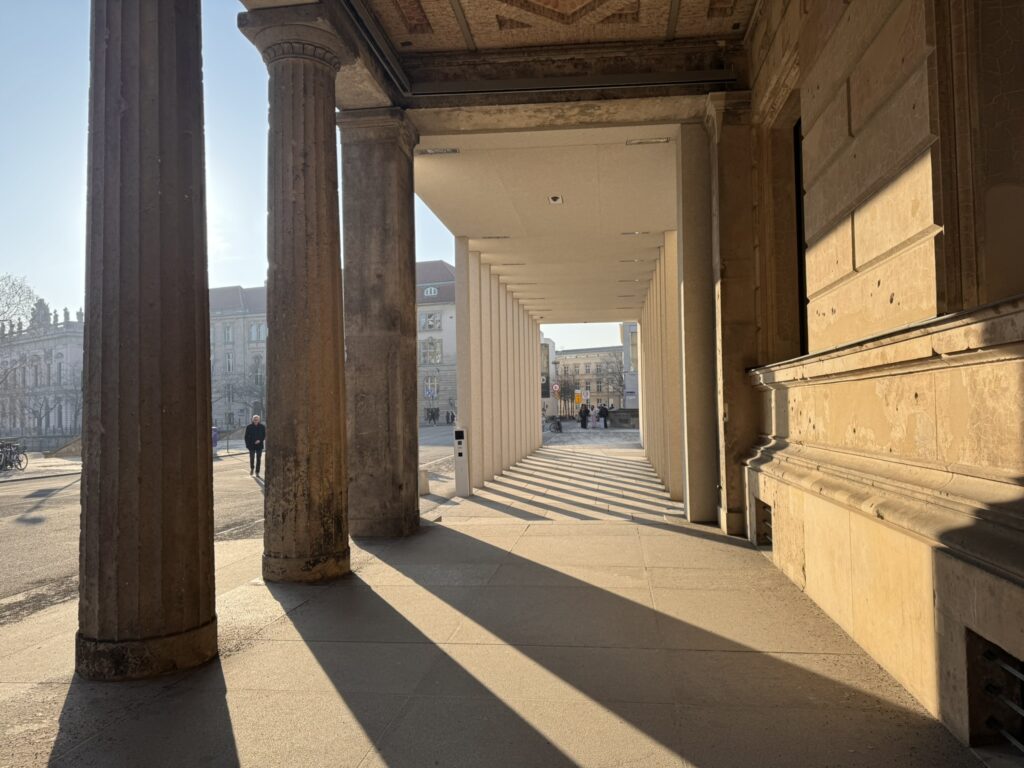
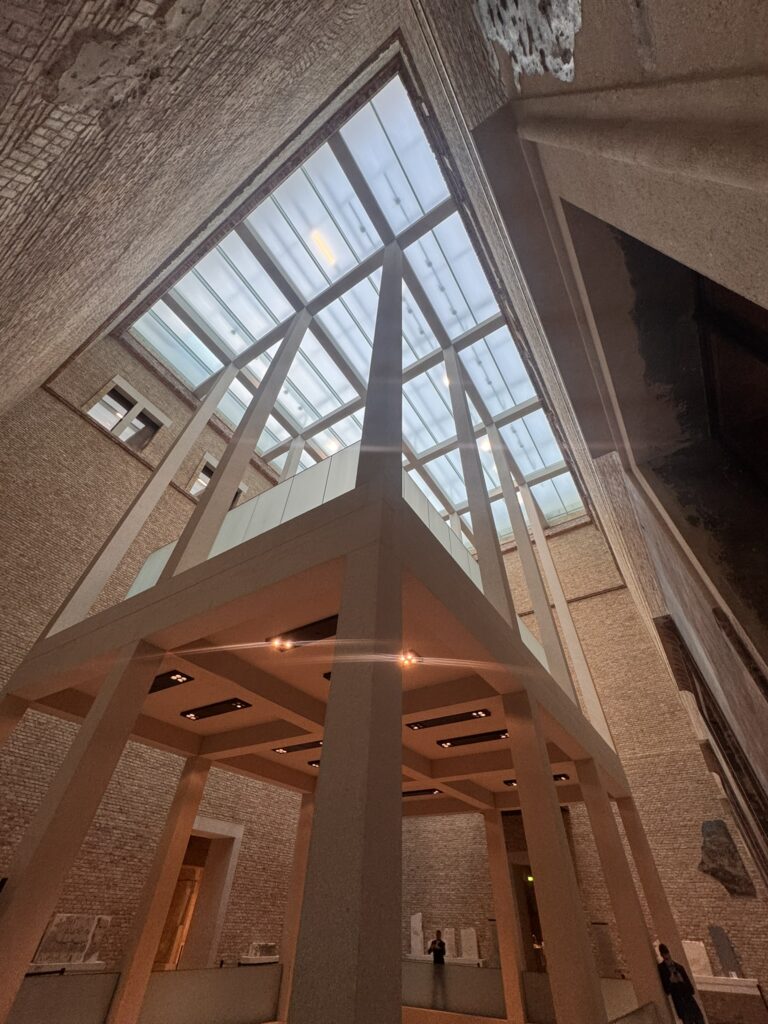
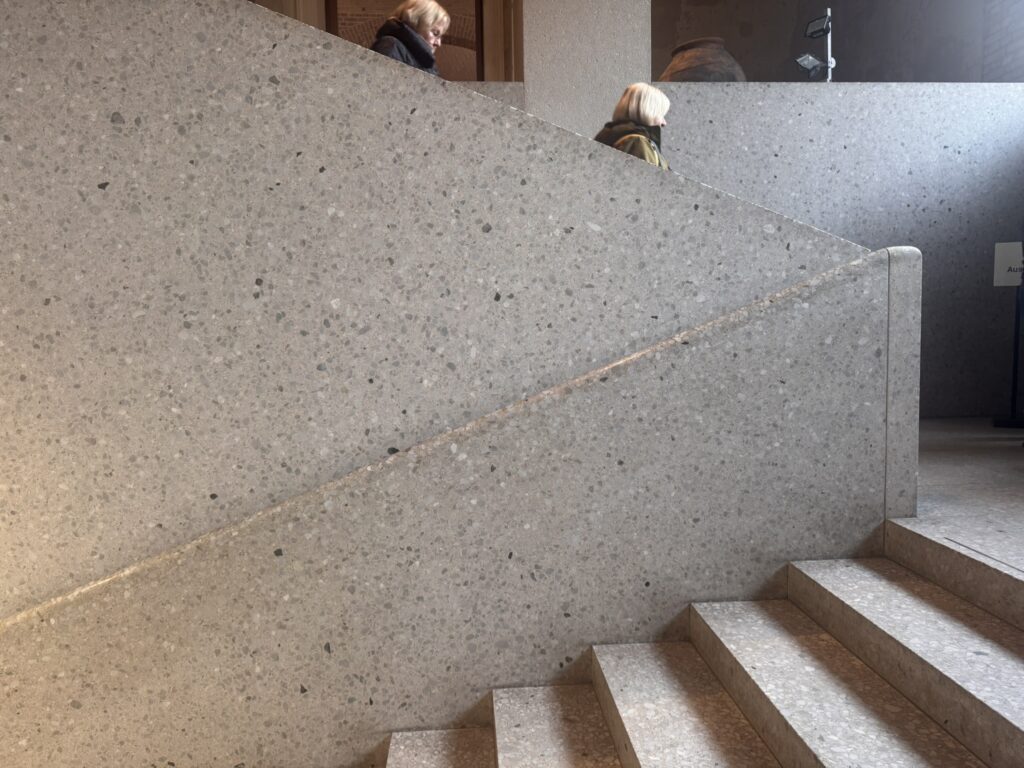
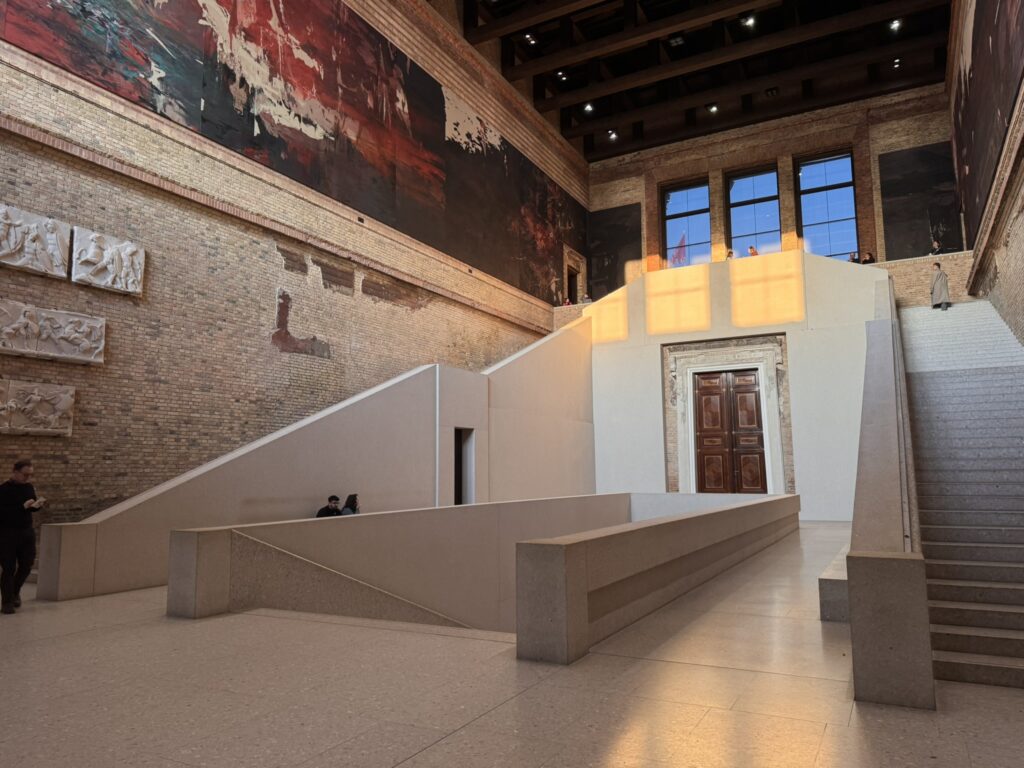
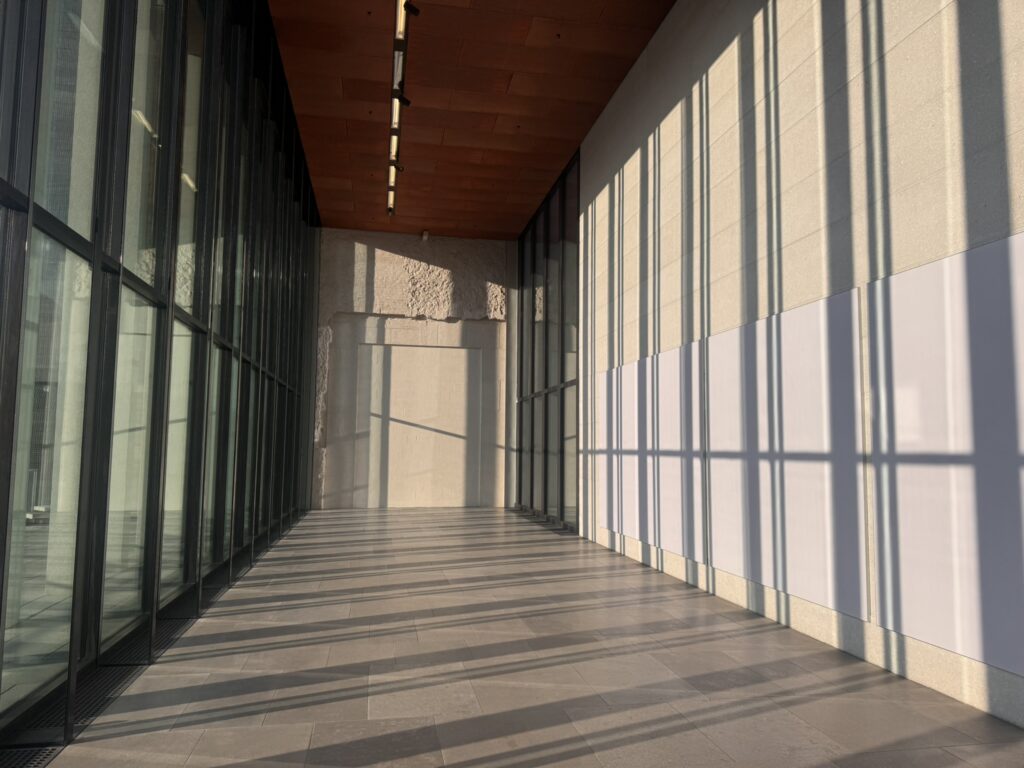
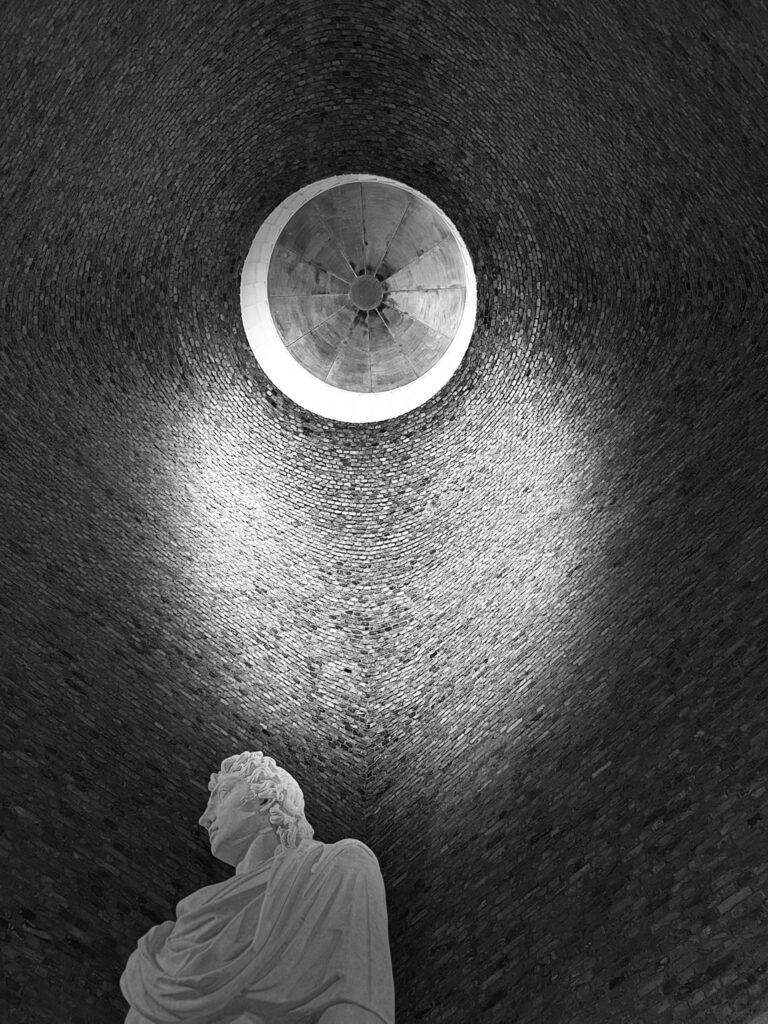
Meeting the students at the entrance to the Neues Museum is where we started our studies. The gallery entrance of James Simon, designed by Chipperfield, is an outstanding piece of Architecture that considers its context and makes a bold gesture to the historic part of the city. Largely an open welcome annex to the main Neues Museum as there were no exhibitions within the Gallery at the time of our visit. However inside the Neues Museum Chipperfield’s original work prior to the James Simon is sublime. There are incredible beautiful details, insertions of contemporary within the rich tapestry of worn and historic walls, pillars and beams. A truly stunning place, no visit to Berlin should miss an opportunity to explore this wonder of restraint, consideration, balance and detail.
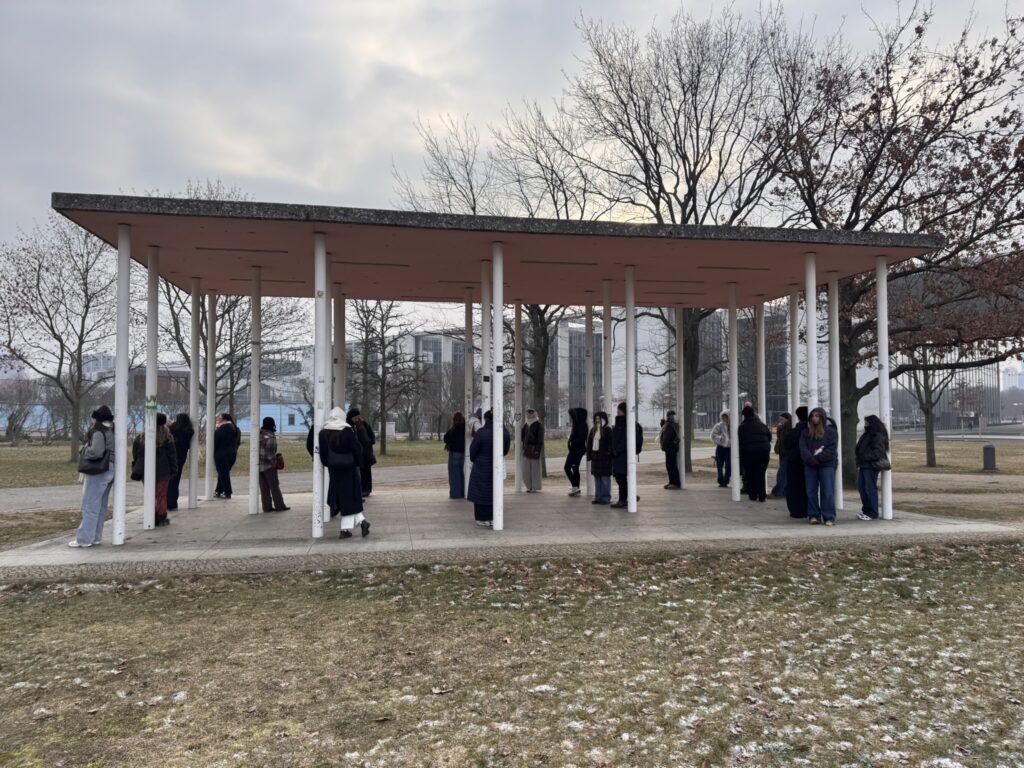
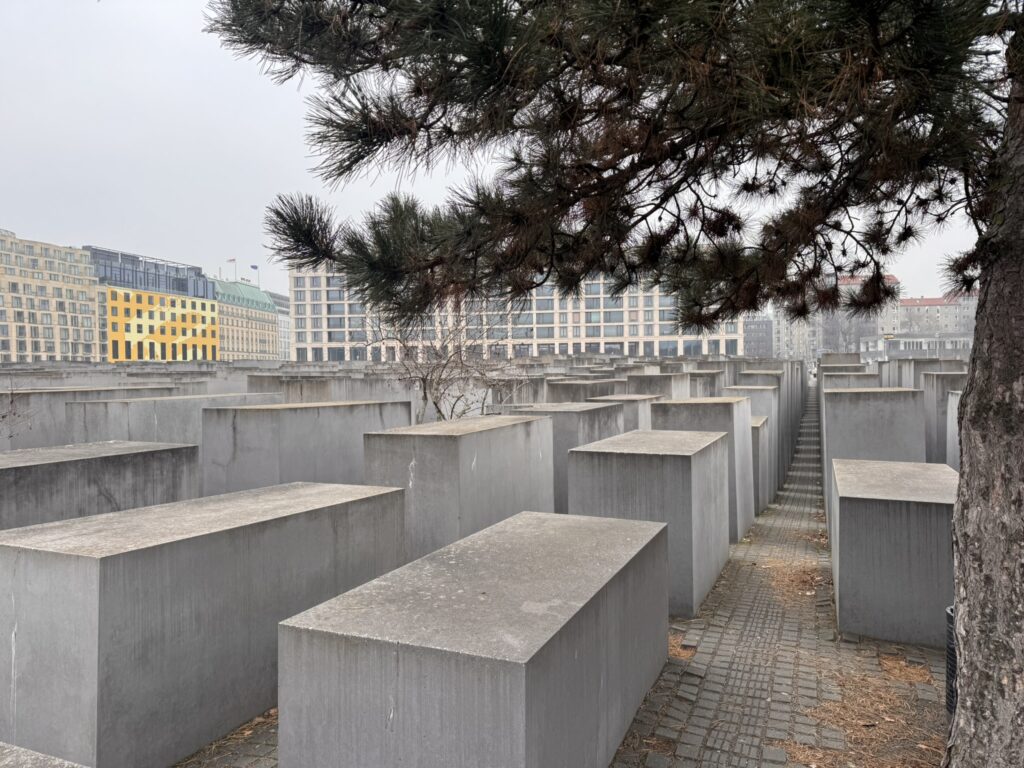
As Design for Public Space module tutor our Mike Harrison had the privilege of setting some outdoor observational tasks for the students, so there was no where to hide and keep warm, the students quickly becoming aware and wary of the life of a public realm designer. On Friday we met at the Temple of Quiet Contemplation in the middle of the Spreebogen Park. Built as one of the significant reunification projects, and completed in 2005, it was a great place to spend a few minutes of meditation to prepare for the cold walk ahead. We discussed the history of the city and orientated ourselves to the major projects of the reunification. To the north the Hauptbahnhof, Infrastructure on a huge and coordinated scale, the Reichstag, Government Offices and the German Chancellery, demonstration of political will to bind disparate east and west berlin, and the Potsdamer Platz, the commercial and entertainment heart of new Berlin. Three iconic moments in the city, we set off on a walk to take in all these. Grand spaces and formal tree lined avenues were unforgiving in the wintery cold. The Platz der Republik our first pausing moment, providing an opportunity to consider the Reichstag and the symbolism of the building and how the landscape merges into the Tiergarten. The Tiergarten is the green lung of the city, extending to well over 200 Hectares it is an extraordinary urban park, over 250,000 trees, and 25kms of paths, it stretches 3km westwards from the Brandenburg Gate. Here we were at least afforded some shelter from the icy winds. We stopped and walked through the Memorial to the Murdered Jews of Europe a remarkable space designed by Peter Eisenman with 2,711 concrete slabs on a 1.9Hectare site. The ground undulating creating at times narrow paths where the slabs stand 3 to 4m high and appear to close in on you as you walk and contemplate the space.
Potsdamer Platz provided a bustling, colourful and active contrast to the memorial’s subdued and muted tones. Unfortunately the oversized seesaws in the adjacent Tilla-Durieux Park were securely rooted to the ground, we were not able to enjoy the scarry elevation as one goes up and down on these 12m long steel seesaws. On previous visits to the city when these were fully operational I have come a cropper on these which has left scars…
As part of our exploration of the public spaces and the city the students considered many of the significant changes that Berlin has endured over the 20th Century, wars, walls and wounds, as opportunities to regenerate significant areas of the city and to integrate high quality open space into these large plans. Our specific site of study, Park am Gleisdreieck, in Kreuzberg was a railway yard and with the falling of the wall and the following reorganisation of the railway network the station and yard was not required, the resulting open space became a waste land until it was returned to the community as a public park by Landscape Architects LOIDL in 2010. Gleisdreieck translates as “triangle of rails” or “rail triangle”. It refers to a specific type of railway junction layout where three tracks connect in a triangular shape, allowing trains to turn around. The interventions into the park by LOIDL demonstrate an exercise in restraint and the creation of a balance between managed access and activity, and natural regeneration and heritage asset. The main railway tracks are retained through the park and provide a structure and definition. Setting up spaces for play, relaxation and organised events and activities. The students task or brief this year is to propose an intervention into the park constrained by only one dimension, the width of the tracks which run through the centre of the Park. We are looking forward to seeing their creative and innovative ideas emerge and evolve over the coming weeks. At the park we undertook a number of observational tasks, detail studies and taking in the scale and context of the space.
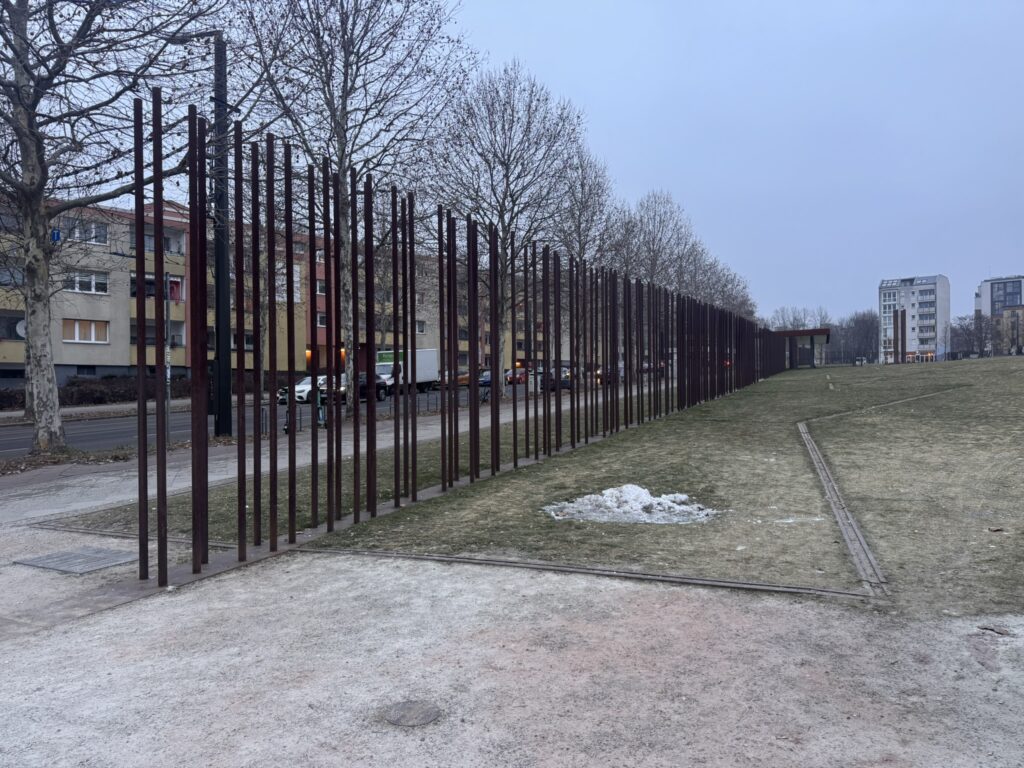
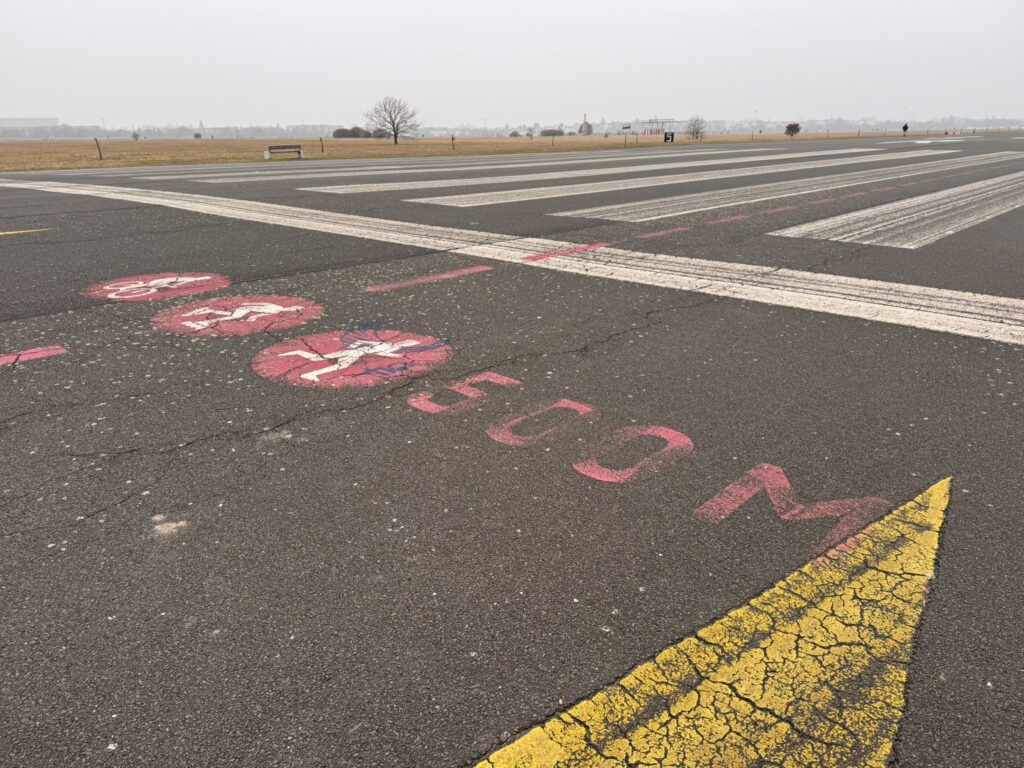
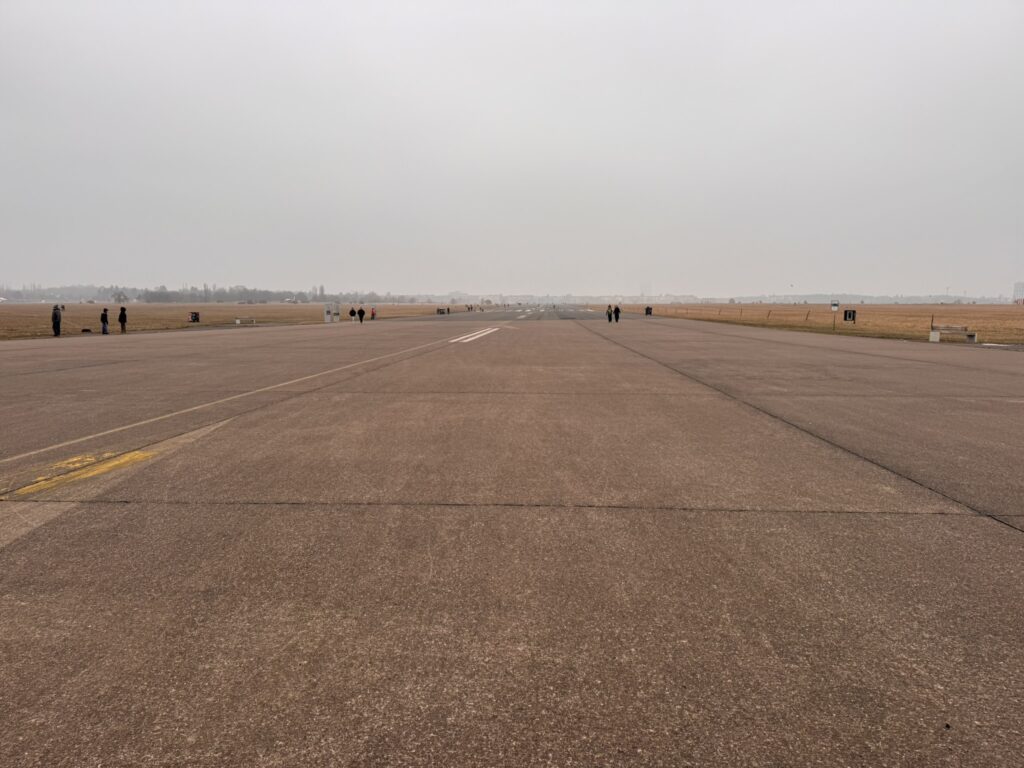
Other projects that were visited over the weekend included the New National Gallery by Mies van der Rohe, the Wall Memorial Park on Bernauer Strasse, and Templehofer Feld. Templehofer Feld is a public park created from an airfield that was close in the 2008 and the 386-hectare open space and one of the world’s largest buildings in the city was returned to public use. Today, the area has a six-kilometre cycling, skating and jogging trail, a 2.5-hectare BBQ area, a dog-walking field covering around four hectares and an enormous picnic area for all visitors. The runway itself is over 2km long and can be walked, cycled and wheeled, a wonderful experience in sub-zero temperatures and a head wind. Very little interventions were required to allow access, a number of toilet blocks, one or two information kiosks and a similar number of temporary coffee or ice cream stalls. The routes around the park are marked on the original runways and taxiing hardstanding’s, with bold simple graphics. Even on a cold day the park is busy with a huge variety of users, kite flyers, kite skaters, roller blading, dog walking, jogging, cycling and walking to name a few. A vast open space the biggest in the city, but unlike the Tiergarten it is open and exposed to the elements, scattered trees provide no respite from the wind and the network of paths are not intimate and sinuous, more straight and huge in scale, as one may expect when converting airport scale routes into public accessible paths.
As is expected of these field trips all of the design inspiration, discussions and contemplation, were accompanied by an eclectic mix of foods, drinks and entertainment. Nightclubs, for some, in abandoned power station, industrial techno apparently, most appropriate. Food halls to ensure we could have the numbers seated offering a good mix from bratwursts to boa buns.
The impression is that Berlin is a city of contrasts in built form, open spaces and above all else seasons. The winter casts this monotone cloud over the city while in the summer it comes alive, the parks become busy, vibrant spaces, the streets active and colourful. Contrasts that are obviously enhanced by the recent history of wars, walls and wounds, which are further reinforced by the vast swathes of open space which continue to create separations in neighbourhoods and communities.